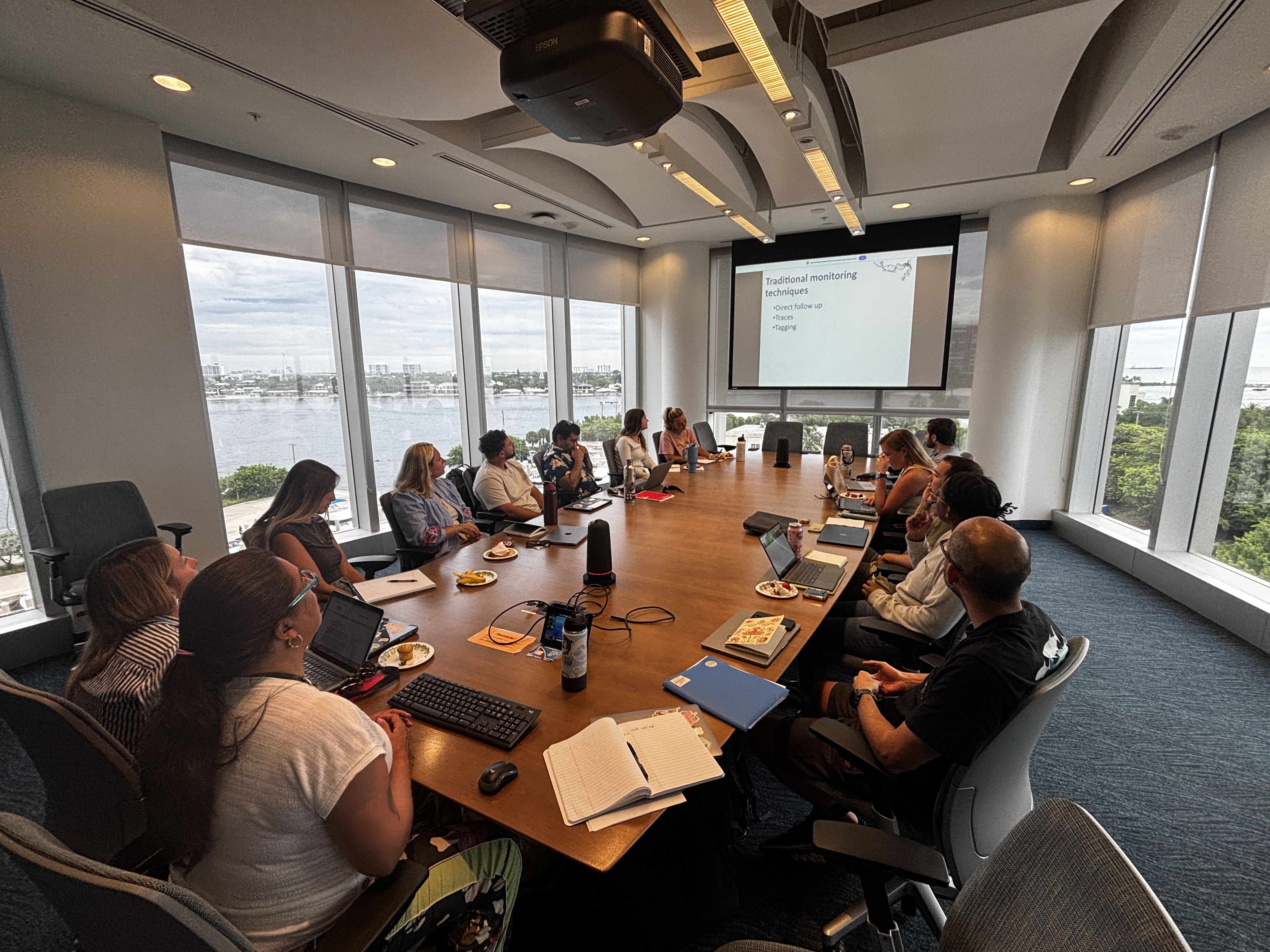
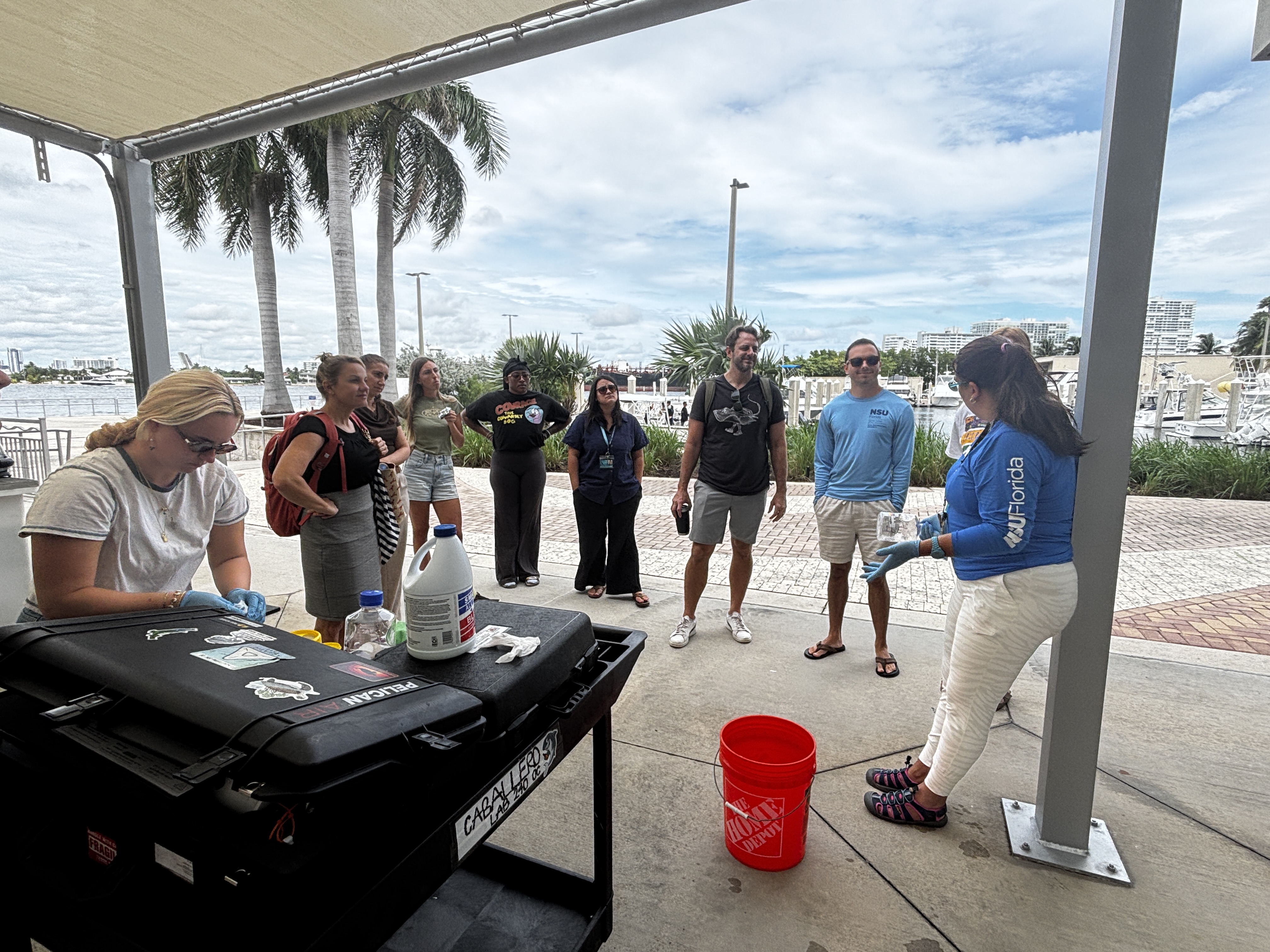
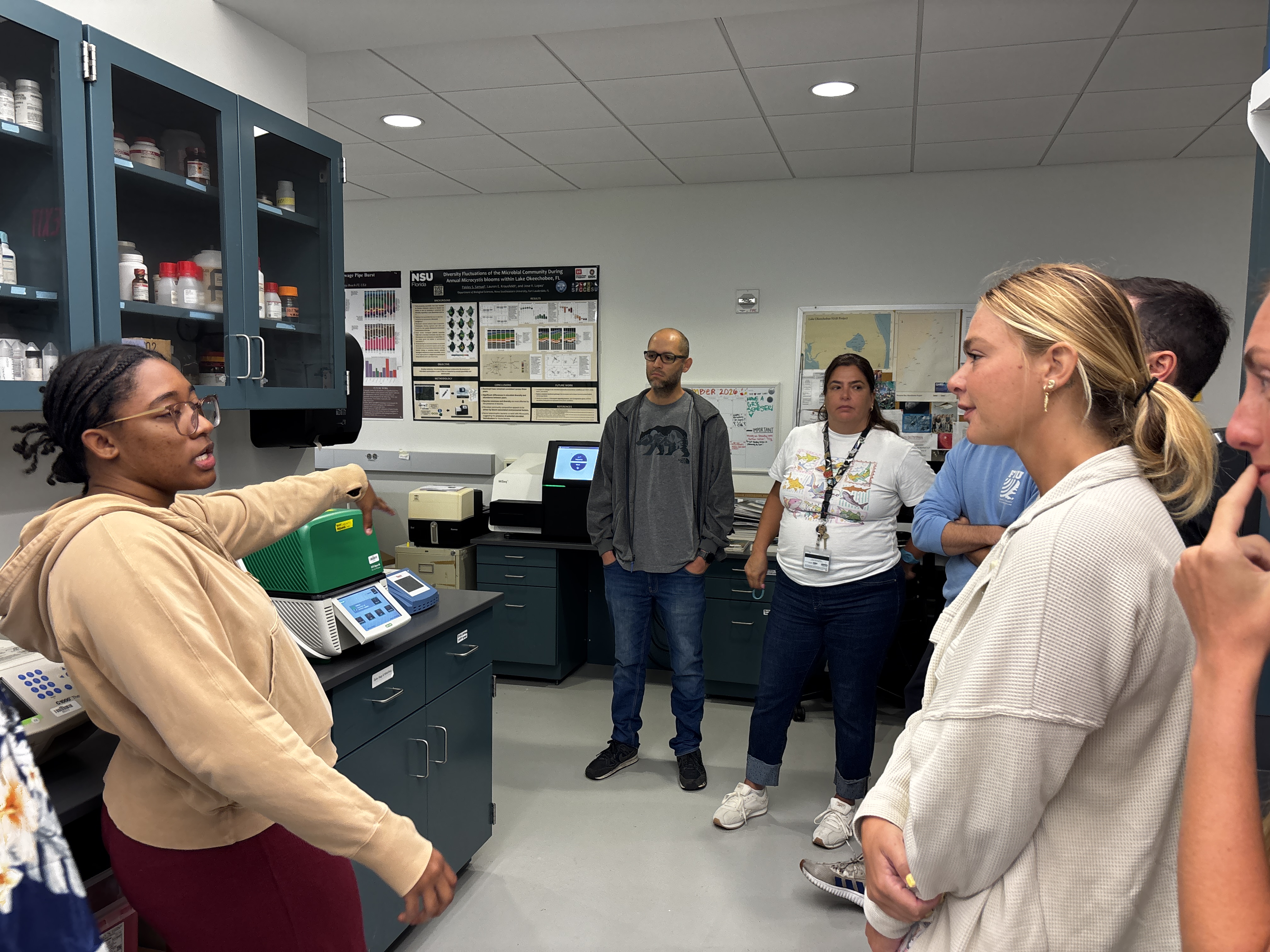
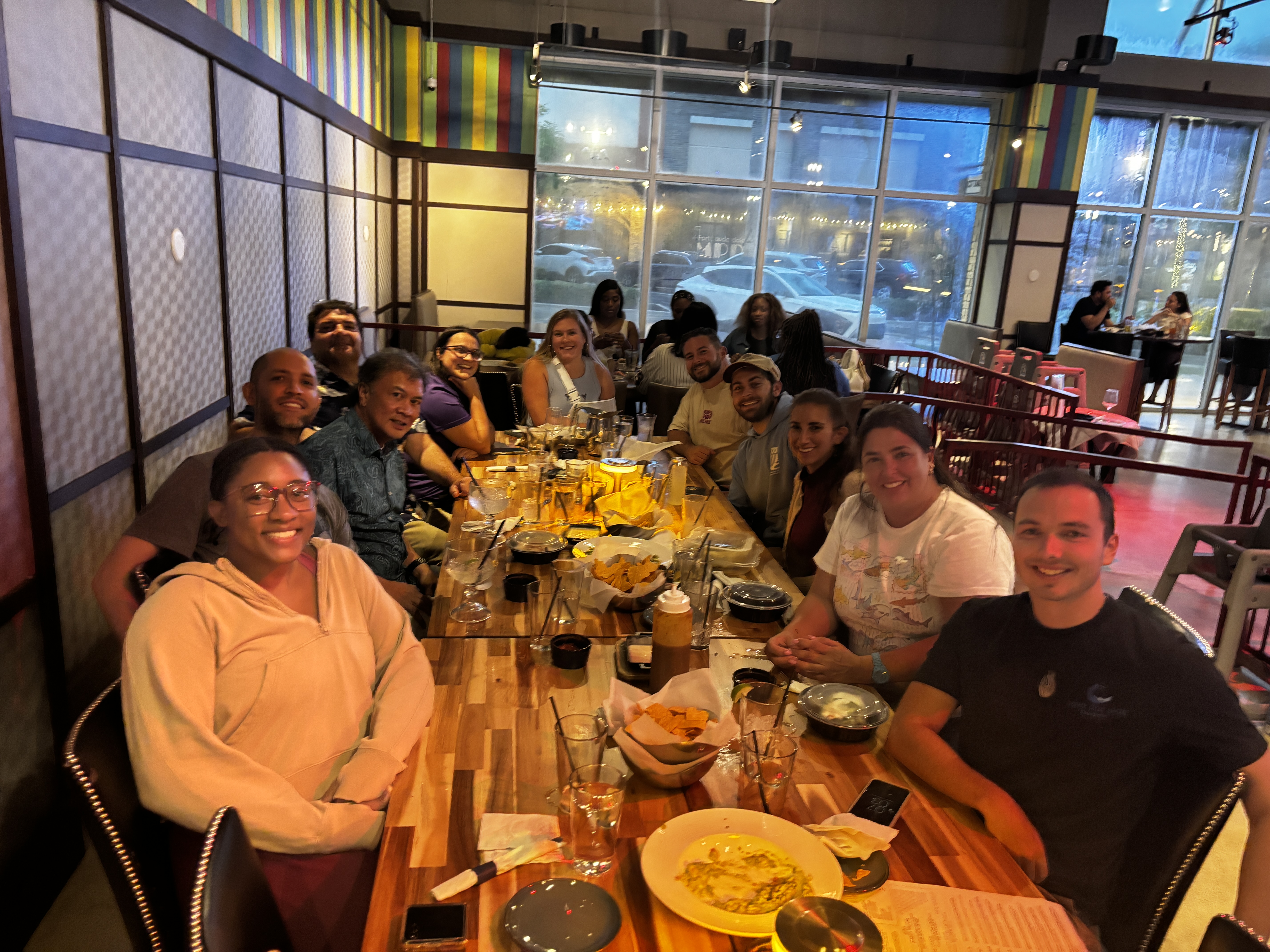
The buzzword of “environmental DNA (eDNA)” has been around for several years, but not everyone may fully understand its uses and potential. Therefore, we have just run a three and half day workshop on eDNA – the concept, its methods, and inherent promises and challenges. The workshop turned out to be very enlightening for most of us. We discussed specific case studies for applying eDNA towards various problems in the ocean, which has been a long-standing vision by some GHOC supporters. The examples include determining the presence/absence of marine species, metabarcoding cryptic or minute (e.g. larval) biodiversity, tracking rare or highly mobile species (sharks, dolphins, fish). GHOC co-hosts of the workshop were Susana Caballaro and Joe Lopez, bringing together the macroscopic (Dr Caballaro’s focuses on applying eDNA on vertebrate conservation) with the microscopic (e.g. MMG Lab focus on bacteria and invertebrates) . The primary goal of the workshop was to learn and establish proper protocols and discuss the required training opportunities to be able to conduct eDNA analyses focused for both vertebrate and invertebrate coral reef communities at the NSU OC and with collaborators. The National Coral Reef Institute (NCRI) supported this event as one of several “research incubators” and thus provided generous funding to support remote attendee travel, logistics and meals for the participants. For example we hosted our collaborators Nick Schizas and Alex Veglia from the University of Puerto Rico, Mayaguez, and multiple NSU graduate students. The program included stimulating talks by Heather Bracken-Grissom, her PhD student Mary Williams (on deep sea eDNA and sponges, respectively) and Diego Cardeñosa (shark eDNA), all colleagues from Florida International University (FIU). Cindy Gonzalez, a postdoc in the Caballaro eDNA lab, discussed coral eDNA. Paisley Samuel and Dr. Lopez discussed qPCR methods already being used in the MMG Lab. Overall we are grateful to NCRI specialist Samantha Cook for coordinating the agenda and guests. The workshop turned out to be a big success.